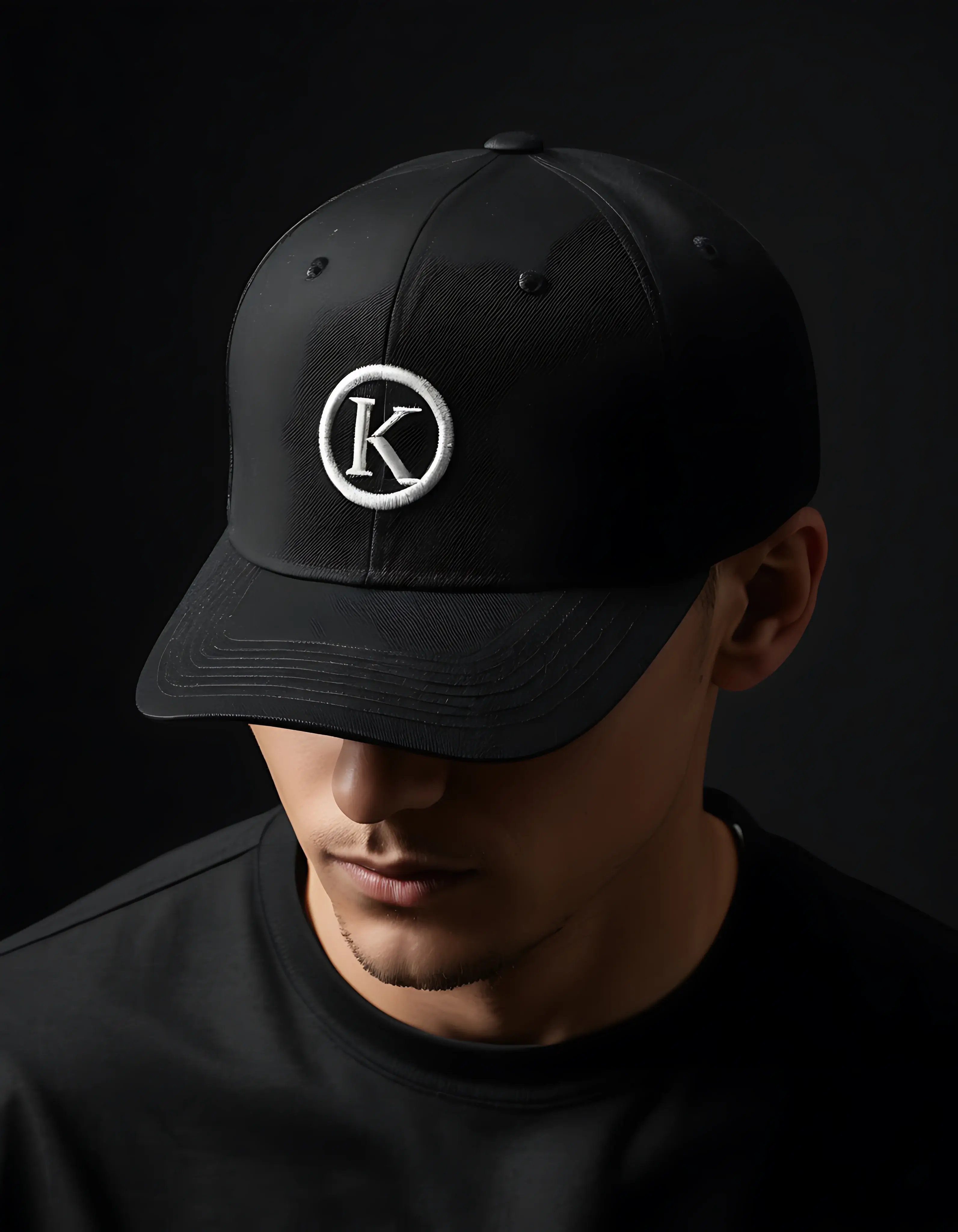
The fedora is the most misunderstood hat in fashion. Pull it off and you look effortlessly cool, the kind of person who commits to their style without trying too hard. Get it wrong and it becomes the butt of every internet joke. The difference between those two outcomes is not luck, taste, or genetics. It is information.
This guide gives you all of it. How to wear a fedora for men and women, which brim width suits which face shape, what outfits actually work with one, how to tilt it correctly, what to wear it with across every season, and the mistakes that quietly undermine an otherwise great look. We also cover how to get a custom fedora hat made, because the best version of this hat you will ever own is the one built specifically for you.
No recycled tips. No vague fashion-speak. Just a full, honest guide to one of the most versatile hats ever made.
What Is a Fedora Hat? (And What It Is Not)
Before you can wear one well, you need to know what you are actually working with, and what separates a fedora from the hats people frequently confuse it with.
A fedora is defined by three features: a soft, flexible brim (typically two to four inches wide), an indented crown with a lengthwise crease down the center, and a pinch at the front of the crown on both sides. The brim can be worn angled down, turned up, or, most classically, up at the back and down at the front, creating the iconic “wave” silhouette that has defined the hat for over a century.
Master hatters describe the fedora as a snap-brim hat, meaning the brim can be “snapped” into multiple positions depending on the look you want. That flexibility is precisely what makes it so versatile across occasions, outfits, and seasons.
Fedora vs. Trilby, The Distinction That Matters Most
The most common mistake people make is buying a trilby and calling it a fedora. They are not the same hat, and wearing a trilby with a fedora’s confidence will leave you looking unsure of your own outfit.
A trilby has a much narrower brim, often less than one and a half inches, that angles steeply downward at the front and sits very close to the head. It has a specific, fashion-forward look that reads as edgy and sharp when worn correctly, but dated and awkward when worn carelessly.
A fedora has a wider, more horizontal brim and a taller, fuller crown. It reads as classic, sophisticated, and gender-neutral in the best possible way. If you are starting out with this style, the fedora is the more forgiving and versatile of the two.
A History Worth Knowing in Two Sentences
The fedora was originally a women’s hat, introduced in 1882 through a stage play called Fédora, where the lead actress wore a center-creased, soft-brimmed hat that became immediately fashionable. Men adopted it in the early twentieth century, and by the 1940s it had become the default hat of detectives, gangsters, and Hollywood icons. Today, it belongs to everyone.
How to Choose the Right Fedora for Your Face Shape
This is the section that separates a fedora that looks like it was made for your face from one that looks borrowed. Most style guides mention face shape briefly, then move on. We are going deeper, because this decision determines everything else.
Round Face, Go Tall and Wide
Your goal is vertical length. A taller crown (four and a half inches or more) combined with a wider brim (three inches or more) creates the optical illusion of a longer, more angular face. Choose fedoras with a high, structured crown and avoid anything flat-topped or low-profile, these compress round faces further and make the hat look like it is swallowing your head.
Best pick: Classic felt fedora with tall crown, three-plus-inch brim, tilted slightly to one side.
Oval Face, The Uncomplicated One
Oval faces are proportionally balanced from forehead to chin, which means virtually any fedora style works. Narrow brims, wide brims, tall crowns, lower crowns, all of them. Use this freedom deliberately. An oval face is the one that can handle bold brim widths, unusual materials, and sculptural shapes that would overwhelm other face types.
Best pick: Whatever you love. You genuinely have full range. Choose the most interesting option.
Heart-Shaped Face, Medium Brim, Avoid the Extremes
A heart-shaped face is wider at the forehead and narrower at the chin and jaw. A brim between two and three inches sits in the sweet spot, wide enough to add some balance to the chin area without extending the forehead visually. Avoid brims wider than four inches, which amplify a wide forehead. A crown that sits slightly lower than average also helps.
Best pick: Mid-brim felt fedora, two and a half to three inches, with a medium-height structured crown.
Long or Oblong Face, Wide Brim, Lower Crown
Your face needs horizontal width to balance its vertical length. A wider brim, three and a half inches or more, adds exactly that. Keep the crown lower than average to avoid adding more height. The broad, floppy silhouette of a wide-brim straw fedora is particularly flattering here.
Best pick: Wide-brim straw or Panama-style fedora with a relaxed, lower crown.
Square Face, Soft Curves and Asymmetry
A square face has a strong, defined jawline with fairly equal width from forehead to jaw. The goal is to soften those angles rather than echo them. Look for fedoras with rounded or curved brim edges and a crown that is slightly irregular or tapered. Asymmetrical styles and tilted positioning help most.
Best pick: Felt fedora with curved brim edges, medium brim width, worn with a deliberate side tilt.
The Tilt Guide: How to Actually Position a Fedora
Nobody tells you this part clearly. Everyone says “tilt it”, and then leaves you guessing the angle, the direction, and what each position actually communicates. Here it is in plain language.
The Neutral Position, Straight and Level
The hat sits flat across the forehead, brim parallel to the ground, no tilt at all. This looks formal, composed, and somewhat stiff. It works best in very structured, tailored outfits, a full suit, a formal overcoat, where the rigidity of the position aligns with the precision of the clothing. In casual settings, this position reads as awkward or uncertain.
The Side Tilt, 10 to 15 Degrees
This is the position to start with if you are new to fedoras. Tilt the hat 10 to 15 degrees toward your dominant side. This small adjustment adds character and intention to the look without veering into theatrical territory. It is universally flattering across face shapes and works with casual, smart-casual, and semi-formal outfits equally well.
This is the default position for most everyday wear.
The Rake, Front Brim Angled Down
The rake is the classic noir position, front of the brim dipped slightly downward, hat worn toward the back of the head. It is old Hollywood, deliberate, and carries a slightly dramatic energy. It works exceptionally well with tailored outfits: suit trousers, a dress shirt, a long coat. In casual contexts, it reads as costume rather than style.
The Back Tilt, Hat Pushed Slightly Rearward
Casual, relaxed, approachable. The brim sits back from the forehead, opening up the face. This position pairs naturally with jeans, an open-collar shirt, and clean sneakers or Chelsea boots. Push it back too far, however, and the hat starts to look like it belongs on a coat hook rather than a head.
Rule of thumb: The more formal the outfit, the more precise and forward the hat position. The more casual the outfit, the more relaxed the tilt can be.
How to Wear a Fedora, Women’s Complete Outfit Guide
The fedora is not a men’s accessory that women borrow. It is, as history has it, originally a women’s hat, and it remains one of the most powerful finishing touches in a woman’s wardrobe when worn with intention.
Casual Everyday, The Effortless Off-Duty Look
Outfit: High-waisted jeans in a dark wash, a fitted linen or cotton tee, white leather sneakers or flat leather sandals. Minimalist jewelry.
Fedora: Camel or natural-tone straw fedora with a relaxed, medium brim. The casual material matches the casual outfit energy.
Hair: Loose waves, a low ponytail, or a casual braid sitting below the brim. Letting hair fall naturally past the brim adds softness.
Tilt: Side tilt, 10–15 degrees. Keep it easy and uncalculated-looking.
Boho and Festival, The Free-Spirited Statement
Outfit: Flowy midi dress in an earthy print or solid, layered necklaces, woven crossbody bag, ankle boots or strappy flat sandals.
Fedora: Wide-brim straw or suede fedora in warm tones, cognac, rust, warm brown, natural ivory. A leather or fringe hatband adds texture.
Hair: Loose waves or braids below the brim. Let the hair and the hat share the frame equally.
Tilt: Slight forward rake for a deliberate, editorial look.
Smart Casual, Polished Without Trying Too Hard
Outfit: Tailored wide-leg trousers or dark slim-fit trousers, a silk blouse or fitted turtleneck, heeled loafers or pointed-toe mules.
Fedora: Structured wool or felt fedora in black, charcoal, or deep navy. Medium brim, well-shaped crown.
Hair: Sleek low bun or straight and tucked behind one ear. Clean lines beneath the hat.
Tilt: Minimal side tilt. This setting calls for composure.
Evening, The Unexpected Statement Piece
Outfit: Satin slip dress or wide-leg tailored trousers with a fitted camisole, statement earrings, strappy heels.
Fedora: Black structured felt fedora, medium brim, worn with confidence as the hat becomes the statement piece instead of a bag or bold necklace.
Tilt: Side tilt, precise. This look works because it is deliberately unexpected.
Beach and Summer, Sun-Smart and Stylish
Outfit: Swimsuit or bikini with a breezy linen cover-up or a lightweight sundress. Flat sandals.
Fedora: Natural straw or woven linen fedora with a wide, floppy brim for genuine sun protection. Look for UPF 30 or higher ratings in straw styles.
Hair: Down and tousled, or twisted up loosely off the neck.
How to Wear a Fedora, Men’s Complete Outfit Guide
For men, the fedora sits at the intersection of old-world elegance and modern confidence. It is not a costume. It is a cap to a complete look, and when the look is right, the hat makes it unforgettable.
Casual Street Style, Clean and Considered
Outfit: Dark slim-fit or straight-leg jeans, a well-fitted plain or subtly textured tee, clean white sneakers or low-profile leather trainers. No logos competing for attention.
Fedora: Wool or lightweight felt fedora in a neutral, black, grey, tan, or navy. Medium brim. The hat should be the most interesting thing in the outfit.
Tilt: Side tilt. Easy, not fussy.
What not to do: Wear a premium fedora with heavily distressed, logo-heavy, or athletic clothing. The visual conflict undermines both the hat and the outfit.
Smart Casual, The Polished Weekender
Outfit: Dark chinos or tailored trousers, an open-collar button-down shirt in cotton or Oxford cloth, leather Chelsea boots or leather loafers.
Fedora: Structured felt or wool fedora in a classic color. Medium brim, clean shape. The hat elevates what is otherwise a straightforward outfit into something genuinely memorable.
Tilt: Side tilt or neutral, depending on how formal the setting leans.
Business Casual, Confident, Composed, Contemporary
Outfit: Slim-fit trousers, a fitted dress shirt (no tie), a tailored blazer, Oxford shoes or leather loafers.
Fedora: Dark felt or fur-felt fedora in black, charcoal, or deep burgundy. The hat acts as an extension of the blazer’s tailored energy, it should look like it belongs.
Tilt: Neutral or very slight side tilt. Precision matters in this setting.
Formal Events, Making the Suit Unforgettable
Outfit: Full suit or a blazer-and-trouser combination. Dress shirt, optional pocket square, polished Oxford shoes.
Fedora: High-quality wool or fur-felt fedora in a dark tone. A grosgrain hatband adds the refinement that separates a good hat from a great one.
This is exactly the category where fine hat craftsmanship makes all the difference, the same attention to material quality and construction that defines a silk top hat applies directly to a formal felt fedora. When the occasion is significant, the hat’s quality will be noticed.
Venue fit: Garden parties, horse racing events, gallery openings, weddings in outdoor or smart-casual settings.
Summer Casual, The Warm-Weather Essential
Outfit: Linen trousers in a light tone, an open-collar linen shirt, leather loafers or clean espadrilles.
Fedora: Panama or natural straw fedora, wide-to-medium brim, lightweight and breathable. This is where the fedora earns its warm-weather reputation. A panama-style hat in summer communicates exactly the effortless, traveled, unhurried confidence that makes the style timeless.
Tilt: Side or slight back tilt for a relaxed, sun-drenched energy.
Fedora Materials, Choosing by Season
The material of your fedora matters as much as the shape. A wool felt hat in July is an uncomfortable choice. A straw fedora at a formal winter event looks underdressed. Here is the full seasonal guide.
| Season | Best Material | Why It Works |
| Winter | Wool felt, fur felt, cashmere | Warmth, structure, weather resistance |
| Spring | Lightweight wool felt, cotton | Transitional weight, flexible styling |
| Summer | Straw, Panama weave, linen, raffia | Breathable, lightweight, sun protection |
| Autumn | Mid-weight wool, tweed-lined | Cozy structure, seasonal palette alignment |
One rule that overrides all seasons: Fur felt is the premium choice for any formal occasion regardless of temperature. Its weight and sheen signal craftsmanship in a way that standard wool felt does not.
Fedora Mistakes That Quietly Ruin the Look
These are the errors that do not feel like mistakes until you see a photograph.
- Wearing a trilby and thinking it is a fedora. Two different hats, two different proportions, two different energies. Know which one you bought before you commit to styling it.
- Going too large for your head. An oversized fedora swallows the face. If the brim is sitting on your ears or the crown drops past your forehead, size down or use a hat size reducer.
- Matching the hat too perfectly to the outfit. A brown hat, brown jacket, brown boots, brown trousers is a monochrome costume. Let the hat contrast slightly. It should finish the look, not disappear into it.
- The completely flat, zero-tilt position. On most people, a perfectly level hat looks accidental rather than intentional. Even five degrees of tilt changes the whole perception.
- Pairing a premium felt fedora with athletic or very casual clothing. A luxury hat worn with gym shorts and a worn-in graphic tee creates visual friction that makes both elements look worse. The outfit needs to meet the hat at least halfway.
- Ignoring the occasion. A straw fedora at a black-tie dinner, a dark fur-felt fedora on the beach, context matters. Material and style must match where you are going.
- Skipping proper sizing entirely. A hat that slides down over your forehead or sits perched awkwardly high on the crown cannot be styled into looking right. Measure first, always.
How to Size a Fedora Correctly
Measure your head circumference just above the ears with a soft measuring tape, exactly where the base of the hat will sit. Keep the tape level and snug but not compressed. Take the measurement in inches or centimeters and compare against the manufacturer’s size chart, since sizing is not universal across brands or countries.
The fit test: Put the hat on and give your head a firm shake. A correctly sized fedora stays in place without sliding and without leaving a red indentation mark after five minutes of wear. If it moves freely, size down. If it leaves a mark, size up, or consider a hat size reducer insert for minor adjustments.
If you regularly order hats for groups, events, corporate gifting, team occasions, sizing across multiple people is exactly where a professional custom ordering process makes a real difference. Custom hats for events and corporate gifting follow the same precision fitting principles and can be coordinated across a team without the guesswork.
How to Care for Your Fedora Hat
A quality fedora can last years if you treat it correctly. Here is what that looks like in practice.
Felt and Wool Fedoras
Brush regularly with a soft hat brush, always moving in the direction of the felt grain, counterclockwise for most felt hats. This removes dust and keeps the surface smooth. For minor dents or crushed sections of the crown, hold a clothing steamer two to three inches from the material, then gently reshape with your hands while the fibers are warm and pliable. Let it cool completely before wearing or storing.
Never soak felt. Never put it in a washing machine. Spot cleaning with a barely damp cloth is the limit of wet cleaning for felt hats.
Straw and Panama Fedoras
Wipe down with a dry cloth or barely damp cloth after each wear. Avoid prolonged exposure to water,moisture warps straw weaves and is very difficult to reverse. Keep straw fedoras away from direct, extended sunlight during storage, as UV exposure bleaches the fibers and makes them brittle over time.
Storing Any Fedora
Always store crown-down on a hat stand, or crown-up in a properly sized round hat box. Never stack anything on top of a fedora, even a light garment left overnight on a wide brim can create a permanent warp. A hat box is worth the investment for any fedora you care about keeping.
When traveling, carry your fedora in a round hat box as hand luggage whenever possible. Checked luggage is not kind to hat brims.
Custom Fedora Hats, Why Made-to-Order Changes Everything
There is a ceiling to what off-the-rack fedoras can offer. Mass-produced hats are built around an average head, an average brim width, an average color palette. None of those averages are you.
A custom fedora hat lets you specify:
- Brim width chosen for your actual face shape, not the median
- Crown height calibrated to your proportions
- Material and weight matched to your climate and typical occasions
- Color selected to complete your wardrobe, not someone else’s
- Hatband and lining details that carry a personal signature
Our custom embroidered hats bring that same level of personalization to structured hat styles, lettering, logos, and bespoke detailing that transforms a hat from an accessory into an identity marker.
For a modern, street-style-ready silhouette with a fedora’s spirit of individuality, our custom snapback hats offer a sharp, structured alternative that carries the same energy in a contemporary frame.
When you know how to wear a hat and you are ready to wear your hat, custom is the only destination that makes sense.
2026 Fedora Trends Worth Knowing
The fedora in 2026 is moving toward restraint and quiet confidence rather than maximalist statement-making. Here is what the season’s leading milliners and style editors are tracking.
Earth-toned palettes are dominating. Rich warm browns, deep forest greens, stone neutrals, and warm taupes have replaced the stark black-or-nothing approach of previous seasons. These tones sit naturally against most skin tones and pair effortlessly across outfit palettes.
Streamlined, minimal design is winning over embellishment. The grosgrain hatband is back in its cleanest, most understated form, a single narrow ribbon, nothing added. The hat’s structure and material quality do all the work.
Textural interest over pattern. Woven straws, nubby tweeds, fine herringbone wools, fabrics that reward a closer look rather than announcing themselves from across the room.
Personal touches and custom details are the defining trend for fedora wearers who want to go beyond what any retailer can offer. Monogrammed linings, bespoke hatbands, color-matched brims, the appetite for hats that are genuinely individual has never been stronger.
Frequently Asked Questions
The Fedora Rewards Those Who Wear It With Intention
The fedora does not work by accident. It is not a hat you put on and forget about. It is a hat that asks something of you, a considered outfit, the right tilt, the right occasion. When you give it that, it gives you something most accessories never manage: a genuinely unforgettable presence.
You now have the face shape guide, the tilt breakdown, the outfit pairings for both men and women, the seasonal material chart, the mistake list, and the care guide. Every variable is covered. The only remaining question is whether you want a fedora off a shelf or one built exactly for your head, your face, and your wardrobe.
At Custom Hats Maker, we build hats around real people, your proportions, your style, your signature. Whether you want a custom felt fedora with a bespoke hatband or a personalized structured hat that no one else will have, we can make it.